Blog
Why Speed Is Everything in Water Damage Cleanup: A Property Owner's Guide
Water damage does not wait for a convenient response window. From the moment water enters a building, it begins moving through porous materials, saturating structural assemblies, and creating the conditions that lead to mold, structural deterioration, and health hazards. The difference between a property that recovers cleanly and one that requires months of remediation is almost always a function of how quickly and correctly the initial response was executed.
Understanding what water damage actually involves, why the response timeline is not flexible, and what professional cleanup entails helps property owners make better decisions in a situation that rarely allows time for research.
Not All Water Damage Is the Same
One of the most practically important distinctions in water damage response is the category of water involved. Each category carries different contamination risks, requires different handling protocols, and determines what can be salvaged versus what must be removed.
Category 1: Clean water originates from sanitary sources including supply line failures, overflowing fixtures fed by clean water, and rainwater intrusion. It does not present an immediate health hazard at the point of intrusion, though it causes significant structural damage when not addressed promptly. Category 1 water can degrade into a higher category if it remains in contact with contaminated surfaces or materials long enough.
Category 2: Grey water has contacted organic or chemical material during use. Water from washing machines, dishwashers, and certain drain sources falls into this category. Grey water carries contaminants that can cause illness with direct contact or ingestion and requires appropriate protective equipment and cleaning protocols. Like Category 1, it degrades over time and with temperature, becoming increasingly hazardous the longer it remains present.
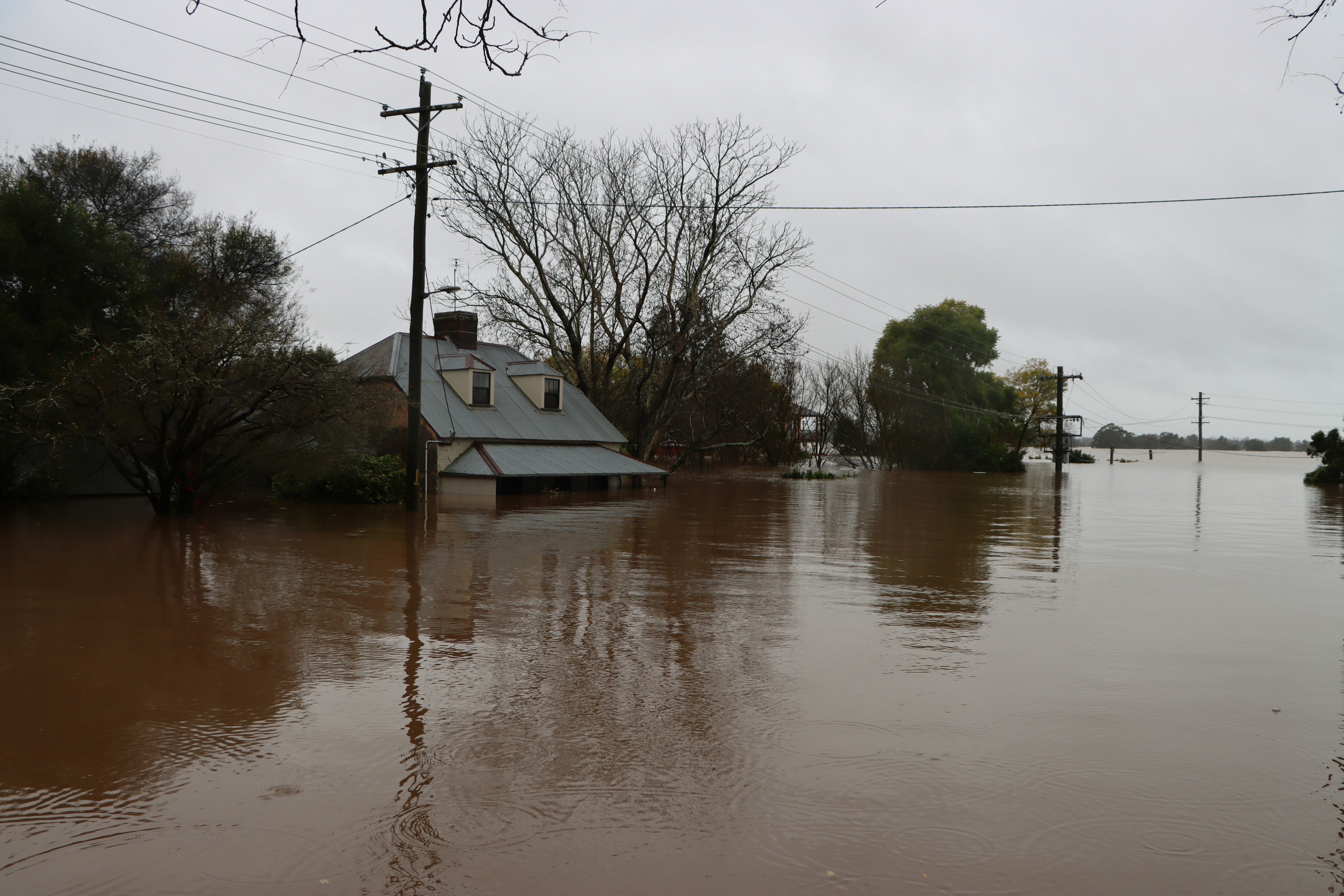
Category 3: Black water is highly contaminated water originating from sewage systems, floodwaters that have contacted ground or surface contaminants, and similar sources. It may contain pathogens, chemicals, and biological material that pose serious health risks. Black water requires specialized handling equipment, appropriate personal protective gear, and disposal protocols that exceed what most property owners can manage independently. It is not a cleanup situation; it is a remediation situation requiring professional response from the point of discovery.
Correctly identifying the water category matters immediately because it determines what safety precautions are necessary before anyone enters the affected space, what can be salvaged, and what the appropriate remediation protocol looks like. Treating Category 3 water as a Category 1 event creates health risks that are not apparent until after exposure has occurred.
What Happens When Response Is Delayed
The consequences of delayed water damage response follow a consistent and well-documented progression. Each stage compounds the previous one, and the cost and complexity of restoration increases at each step.
Within the first few hours, water continues to migrate into adjacent materials. Flooring, baseboards, wall framing, and insulation absorb moisture progressively. The depth of saturation increases with every hour water remains in contact with porous surfaces.
Within 24 to 48 hours, mold colonization can begin on wet porous materials under typical indoor conditions. This is not a risk threshold; it is the documented onset of active fungal growth. A property that receives professional extraction and drying within the first day has a fundamentally different mold risk profile than one where response is delayed by several days.
Beyond 48 hours, structural materials that remain saturated begin to deteriorate more rapidly. Wood framing softens and loses integrity. Drywall that has absorbed water begins to break down from within. Subfloor assemblies warp and delaminate. Insulation compressed by moisture loses thermal performance permanently. These are not conditions that reverse when the water is eventually removed. They represent permanent material damage that requires replacement rather than drying.
Lingering odor is a downstream consequence of delayed response rather than an independent problem. Odor that persists after a water event is almost always rooted in microbial activity in materials that were not dried within the appropriate window. Treating the odor without addressing the underlying moisture condition produces temporary results at best.
Content and possession losses also increase with delay. Items that are recoverable if addressed within hours may be unsalvageable after several days of saturation. Documents, electronics, furnishings, and personal items all have recovery windows that close as saturation and microbial activity progress.
What Professional Water Damage Cleanup Actually Involves
Professional water damage restoration is a structured process that addresses not just the visible water but the full extent of moisture penetration and its consequences.
Assessment and moisture mapping. The process begins with a thorough inspection using moisture meters and thermal imaging to identify all affected areas, including those not visible on the surface. Water that has migrated into wall cavities, beneath flooring, and above ceilings is located and mapped before any drying work begins. This step determines the true scope of the event and ensures that drying resources are deployed where moisture is actually present, not just where it is visible.
Water extraction. Industrial extraction equipment removes standing water from floors, carpeting, and saturated surface materials rapidly. The speed of this step directly affects the depth of saturation in adjacent structural materials. The faster standing water is removed, the less opportunity it has to continue wicking into building assemblies.
Structural drying and dehumidification. Calibrated air movers and commercial dehumidifiers are positioned according to the moisture map to draw moisture out of structural materials systematically. This phase continues over multiple days with moisture readings taken at each monitoring visit. Drying is complete when instruments confirm that building materials have returned to pre-loss moisture content, not when surfaces feel dry to the touch.
Cleaning and sanitization. Affected surfaces are cleaned and sanitized using appropriate products matched to the water category and surface type. For Category 2 and Category 3 events, sanitization is a health requirement, not an optional step. Salvageable contents are cleaned and treated as part of this phase.
Repair and reconstruction. Materials that cannot be dried in place or that have been contaminated beyond cleaning are removed and replaced. This phase restores the property to pre-loss condition through targeted repair rather than wholesale replacement where the drying process has been effective.
Throughout this process, documentation is generated at each stage: moisture readings, drying logs, photographic records, and work documentation. This record supports insurance claims and provides verifiable evidence that restoration was conducted to industry standards.
Preventing Future Water Damage
While not every water intrusion event is preventable, several proactive measures meaningfully reduce risk across the most common categories of water damage.
A functioning sump pump is the primary mechanical defense for below-grade spaces in properties susceptible to groundwater intrusion or basement flooding. Testing it before high-risk seasons and maintaining a battery backup for power outage scenarios ensures it operates when demand is highest.
Roof and gutter maintenance performed regularly ensures that water is directed away from the building envelope rather than toward it. Gutters that are cleared seasonally, downspouts that discharge well clear of the foundation, and a roof surface inspected annually for missing or damaged shingles address the most common points of weather-driven water intrusion.
Routine plumbing inspection identifies supply line wear, fitting deterioration, and appliance connection vulnerabilities before they produce a water event. Supply lines to washing machines, refrigerators, dishwashers, and water heaters are among the most common sources of indoor water damage and among the most straightforward to inspect and replace on a preventive schedule.
In flood-prone areas, physical flood barriers and appropriate supplemental insurance coverage are worth evaluating as part of a comprehensive risk management approach. No single measure eliminates all risk, but a combination of maintenance practices, functional protective systems, and appropriate coverage provides meaningful protection across the range of likely scenarios.
Frequently Asked Questions
What are the three categories of water damage and why do they matter? Category 1 is clean water from sanitary sources, presenting no immediate health risk but significant structural risk if unaddressed. Category 2 is grey water from used appliance and drain sources, carrying contaminants that require appropriate handling. Category 3 is black water from sewage or heavily contaminated flood sources, requiring specialized professional remediation. The category determines safety protocols, salvageability of contents, and the appropriate remediation approach.
How quickly does water damage become a mold problem? Mold colonization can begin on wet porous materials within 24 to 48 hours under typical indoor conditions. Professional extraction and structural drying initiated within the first 24 hours after a water event significantly reduces this risk. Delay beyond that window increases mold probability substantially.
Is it safe to enter a flooded space to begin cleanup independently? It depends on the water category and the electrical status of the space. Category 1 water in a space with confirmed electrical safety can generally be entered with basic precautions. Grey water requires appropriate protective equipment. Black water requires professional handling and should not be approached without proper gear and training. Any space with potential electrical hazards from flooding should not be entered until the electrical system has been confirmed safe.
What prevention measures reduce water damage risk most effectively? Maintaining a functional sump pump with battery backup, keeping gutters and downspouts clear and properly directed, conducting routine plumbing inspections for wear and deterioration, and addressing any identified issues promptly rather than deferring them. These measures collectively address the most common sources of both sudden and gradual water intrusion.
What does professional water damage restoration include beyond water extraction? Moisture mapping to identify all affected areas including concealed ones, structural drying with calibrated equipment monitored over multiple days, cleaning and sanitization matched to the water category, removal of unsalvageable materials, and reconstruction to pre-loss condition. Documentation generated throughout the process supports insurance claims and verifies that restoration met industry standards.
Delta Construction & Restoration: Professional Water Damage Cleanup and Restoration
When water enters a property, the clock starts immediately. The quality and speed of the initial response determines the trajectory of the entire recovery process.
Delta Construction & Restoration provides 24/7 emergency water extraction, water damage restoration, structural drying, mold remediation, commercial restoration, and storm and fire damage response throughout Memphis and surrounding areas. Our process is documentation-ready and insurance-aligned for both residential and commercial clients.
Contact Delta Construction & Restoration immediately following any water intrusion event for professional emergency response and full restoration support.