Blog
Why DIY Smoke Damage Cleanup Usually Makes Things Worse
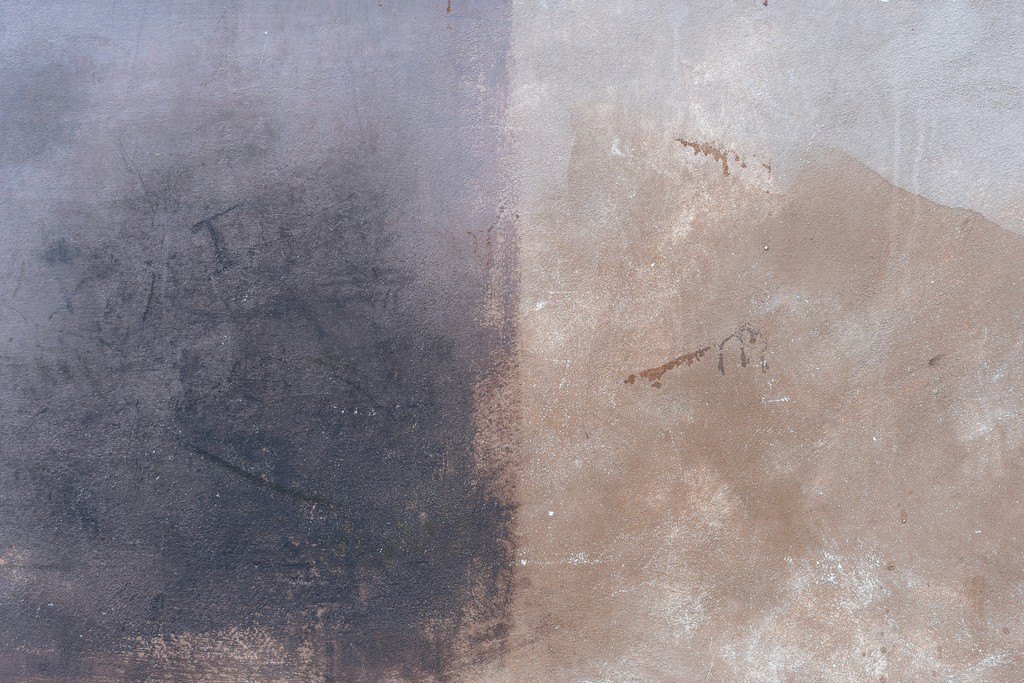
After a fire, the instinct to start cleaning immediately is understandable. The visible damage is distressing, the smell is overwhelming, and taking action feels like regaining some control over a difficult situation. The problem is that smoke damage responds poorly to uninformed intervention. In many cases, independent cleanup attempts cause more harm than the smoke itself, turning recoverable materials into permanent losses and driving contamination deeper into surfaces that could otherwise have been restored.
Understanding why smoke damage is technically complex, what happens to specific materials when cleanup is delayed or handled incorrectly, and where professional involvement is genuinely necessary helps property owners make better decisions in the aftermath of a fire.
Why Smoke Damage Is Not a Standard Cleaning Problem
Smoke damage involves chemical reactions, not just surface contamination. The residues left by a fire are acidic and chemically active. They do not simply sit on surfaces waiting to be wiped away. They interact with the materials they contact, and those interactions continue for hours and days after the fire is out. The longer treatment is delayed, the more those reactions progress, and the more difficult or impossible recovery becomes.
This chemical activity affects different materials in different ways, and effective remediation requires matching the cleaning approach to the specific material and the specific type of soot present. Applying the wrong product or technique to a smoke-damaged surface does not produce a neutral result. It frequently produces a worse one: soot driven deeper into porous materials, chemical reactions accelerated by incompatible cleaning agents, or surfaces permanently altered by abrasive techniques that were inappropriate for the material.
These are not outcomes a property owner can easily anticipate without training and experience in post-fire restoration. They are, however, outcomes that professional restoration teams are specifically trained to prevent.
What Happens to Specific Materials When Response Is Delayed or Handled Incorrectly
Plastics and fiberglass begin yellowing rapidly following fire exposure due to chemical reactions triggered by heat and smoke proximity. This discoloration is not a surface deposit that can be cleaned away. It is a change in the material itself, and standard cleaning products accelerate rather than reverse it. Prompt professional treatment with appropriate chemical agents is the only intervention that can limit this progression before it becomes permanent.
Walls and painted surfaces are vulnerable to permanent discoloration from acidic soot deposits. The discoloration penetrates into the paint and substrate relatively quickly, and surfaces that are not treated within the appropriate window may require full replacement rather than cleaning and repainting. Wiping walls with household cleaning products without understanding the soot type and surface composition can smear deposits and set staining more deeply into the material.
Metal surfaces including appliances, fixtures, and decorative hardware begin tarnishing and corroding when exposed to acidic soot and ash. The corrosion process is accelerated by delay, and metal surfaces that show early tarnishing can progress to permanent pitting and corrosion within days if not treated correctly. Abrasive cleaning on metal surfaces causes physical damage that compounds the chemical damage already underway.
Carpets that survive a fire retain smoke odor embedded deep within fiber structures that standard cleaning methods do not reach. Progressive discoloration from soot deposits also continues during any delay. Consumer-grade carpet cleaning equipment and products do not produce the extraction depth or chemical neutralization that embedded smoke compounds require. Aggressive scrubbing of smoke-contaminated carpet drives soot further into the fiber rather than removing it.
Glass develops an etched appearance from chemical changes caused by fire exposure. The etching is a surface alteration rather than a deposit, meaning it cannot be cleaned away. Early professional treatment can limit the extent of etching on affected glass items, but delay allows the chemical process to progress further.
Wood exposed to fire and smoke requires professional assessment to determine whether sanding and refinishing will restore the surface or whether the material has been compromised beyond that point. Inappropriate cleaning products applied to smoke-damaged wood can cause staining, raise the grain, or introduce moisture damage that compounds the fire damage already present.
The Smoke Odor Dimension
Smoke odor in the aftermath of a fire is not a separate, simpler problem from the surface damage. It shares the same root cause: smoke particles and chemical compounds embedded in porous materials throughout the building. Addressing surface damage without addressing the odor-producing particles within those same materials leaves a persistent problem that no amount of ventilation or masking products will resolve.
Professional odor remediation uses thermal fogging and hydroxyl treatment technologies that penetrate the same porous materials smoke has contaminated and neutralize the chemical compounds responsible for odor at their source. These processes are not available to property owners through retail channels, and they produce measurably different outcomes from the household alternatives.
HVAC systems deserve specific attention in any post-fire odor situation. Smoke that has entered ductwork is redistributed throughout the building every time the system operates. Running the HVAC before professional duct cleaning is completed consistently extends and worsens the odor situation in every connected space.
The Cost of Getting It Wrong
The practical argument for professional smoke damage response is not only about achieving better results. It is about avoiding outcomes that are worse than doing nothing. Soot spread through improper vacuuming technique, staining set by incompatible cleaning agents, corrosion accelerated by delayed treatment, and odor compounds driven deeper into materials by surface-level cleaning attempts all represent damage that would not have occurred with prompt professional response.
For insurance purposes, the documentation generated by professional restoration, including the scope of damage, treatment protocols applied, and verification of outcomes, also supports the claim in ways that independent cleanup efforts cannot replicate.
Frequently Asked Questions
Why can't I just clean smoke damage myself with household products? Smoke residues are acidic and chemically active. Applying the wrong cleaning product or technique to a smoke-damaged surface frequently accelerates damage rather than removing it. Effective smoke remediation requires matching specific cleaning agents and methods to each material and soot type, which requires professional training and access to products not available through retail channels.
How quickly does smoke damage need to be treated to prevent permanent loss? Some materials begin showing irreversible changes within hours of fire exposure. Metal corrosion, plastic yellowing, wall discoloration, and glass etching all progress rapidly in the presence of acidic soot deposits. Professional treatment initiated promptly after a fire consistently produces better material recovery outcomes than treatment delayed by even a day or two.
Is smoke odor a separate problem from the visible surface damage? No. Both are products of the same smoke particles and chemical compounds embedded in building materials and contents. Treating visible surface damage without addressing the embedded particles that produce odor leaves an incomplete result. Comprehensive post-fire restoration addresses both simultaneously.
What is the risk of running the HVAC system after a fire? Smoke that has entered the HVAC system during a fire is redistributed throughout every connected space each time the system operates. Running the system before professional duct cleaning is complete consistently spreads odor to areas that were not directly affected by the fire and re-contaminates spaces that have already been cleaned.
How does professional smoke damage restoration affect an insurance claim? Professional restoration generates documentation including damage scope, treatment protocols, and outcome verification that supports the insurance claim. It also demonstrates that the property owner took prompt, appropriate action to limit damage, which is a carrier expectation in most policies. Independent cleanup attempts that cause additional damage or fail to meet remediation standards can complicate coverage.
Delta Construction & Restoration: Professional Smoke Damage Restoration
Smoke damage that is treated incorrectly becomes harder and more expensive to resolve. Professional response initiated promptly after a fire produces materially better outcomes for surfaces, contents, and air quality than independent cleanup efforts.
Delta Construction & Restoration provides fire and smoke damage restoration, soot and odor remediation, water damage mitigation, mold remediation, commercial restoration, and emergency response throughout Memphis and surrounding areas. Our process is documentation-ready and insurance-aligned for both residential and commercial clients.
Contact Delta Construction & Restoration following any fire event for immediate professional assessment and smoke damage restoration support.