Blog
Will Mold Go Away When Dry?
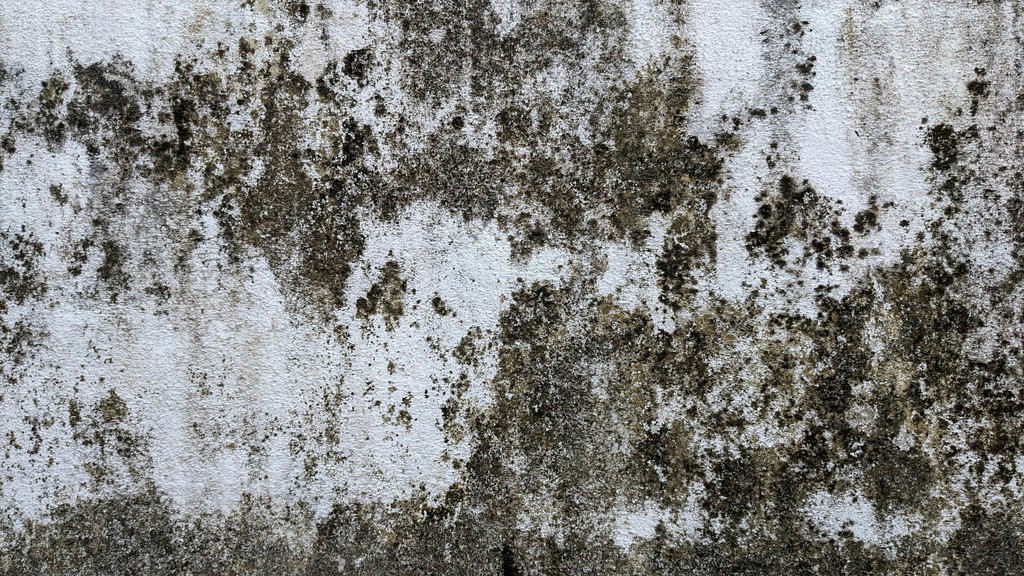
Drying a surface or structure does not remove mold or render it harmless. When mold dries out, it becomes dormant. The physical growth remains in place, the spores remain viable, and the moment moisture returns, active growth resumes. Drying is a necessary step in stopping mold from spreading further, but it is not a remediation strategy.
What Happens to Mold When It Dries Out
Mold is a living organism that requires moisture to grow. When that moisture is removed, mold enters a dormant state. It stops spreading, but it does not die. The mycelium, the root-like structures that penetrate porous materials, remain embedded in the surface. The spores remain capable of germinating again.
Think of it this way: a dried mold colony on drywall looks inactive, but introduce humidity above 60% or any new water intrusion, and growth resumes as if it never stopped.
This is why homes that were dried out after a flood but never properly remediated often develop recurring mold problems. The source was never removed, only paused.
Why Drying Alone Is Not Enough
From a restoration standpoint, drying and remediation are two separate and sequential steps. Drying stops the active water damage process. Remediation addresses the biological contamination that resulted from it.
Skipping remediation after drying leaves several problems unresolved:
Dormant mold remains in the structure. Any future moisture event, high humidity, a slow leak, or even seasonal condensation, can reactivate it.
Mycotoxins persist after drying. Some mold species produce mycotoxins that remain on surfaces and in materials even after the mold itself has gone dormant. These compounds do not simply evaporate when conditions dry out.
Spores remain airborne and on surfaces. Dried mold is fragile. Foot traffic, air movement, or disturbing a dried mold colony releases spores into the air.
Structural materials remain compromised. Drywall and wood that supported active mold growth are not restored to their original condition by drying. The material integrity may be reduced, and the organic content that fed the mold is still present.
The Difference Between Dormant and Dead Mold
This distinction is important and frequently misunderstood.
Dormant mold is inactive due to lack of moisture. It looks dry, may appear faded or chalky, and is not actively spreading. However, it is fully capable of resuming growth when conditions change. Dormant mold still poses a health risk because spores can become airborne when disturbed.
Dead mold has been killed through treatment with an appropriate biocide or through sustained extreme conditions. Even dead mold is not considered safe to leave in place because the physical material, including cell walls and mycotoxins, remains and can still trigger allergic and respiratory responses.
The correct approach in either case is physical removal, not simply waiting for conditions to change.
When Dry Conditions Mask the Problem
A common scenario in restoration is a homeowner who had water damage, ran fans and a dehumidifier, and believed the problem was resolved because everything looked and felt dry. Months later, mold appears on the surface, or a musty odor develops, or health symptoms emerge.
What happened is straightforward. The surface dried, but moisture remained inside wall cavities, under flooring, or within insulation. Mold grew in those hidden areas while the visible surfaces appeared normal. By the time signs appeared at the surface, the growth had been progressing for weeks or months.
This is why restoration professionals do not rely on surface appearance or a dry-to-the-touch test. Moisture meters and thermal imaging are used to confirm that structural materials have dried to acceptable levels throughout their depth, not just on the surface.
Does Sunlight or Heat Kill Mold?
Ultraviolet light and high heat can kill mold under specific conditions, but neither is a practical remediation solution for structural mold in a home.
UV light kills mold cells on direct exposure, but it does not penetrate surfaces. Mold growing inside drywall or wood is completely unaffected by UV exposure at the surface.
Heat can kill mold at temperatures above 140°F sustained over time. Achieving and maintaining that temperature uniformly throughout a structure is not practical for standard residential remediation.
Neither method addresses the physical removal of dead or dormant mold material, which still needs to happen regardless.
What Actually Resolves a Mold Problem
Mold remediation requires more than drying. A complete and lasting resolution involves the following steps:
Identify and eliminate the moisture source. This is the first and most important step. Without it, any remediation is temporary.
Dry the structure to industry standards. Materials must reach acceptable moisture content levels as measured by meters, not estimated by appearance or time elapsed.
Remove mold-contaminated materials. Porous materials like drywall, insulation, and carpet that have sustained mold growth are removed and disposed of properly. This is the only reliable way to eliminate mold from those materials.
Clean and treat structural surfaces. Wood framing and other cleanable surfaces are treated with EPA-registered antimicrobials after physical cleaning.
Run HEPA air scrubbers. Airborne spores generated during the remediation process are captured through HEPA filtration.
Verify through testing. Post-remediation clearance testing confirms that spore levels have returned to an acceptable range before reconstruction begins.
Situations Where Drying Is Particularly Insufficient
Certain scenarios make it especially clear why drying alone cannot resolve a mold problem:
Flood damage not addressed within 48 hours. By the time mold has established in structural materials, drying cannot undo the colonization that has already occurred.
Chronic slow leaks. A slow pipe leak or roof intrusion that went undetected for weeks or months often results in deep mold growth within wall assemblies. Fixing the leak and drying the area does not address the existing growth.
Crawl spaces with moisture intrusion. Crawl spaces that have experienced repeated moisture events often have extensive mold on floor joists and sill plates. Improving ventilation or adding a vapor barrier controls future moisture but does nothing about existing growth.
HVAC systems with moisture problems. Mold in ductwork or air handlers is not resolved by drying the system. Physical cleaning and treatment are required.
FAQ
If mold looks dry and inactive, is it still a health risk? Yes. Dormant and dead mold can still trigger allergic reactions and respiratory symptoms. Dried mold is brittle and easily disturbed, releasing spores into the air with minimal agitation. It should be treated as a contamination issue and removed, not left in place because it appears inactive.
Can I just paint over dried mold? No. Painting over mold, even with mold-resistant primer, does not kill or remove it. The mold continues to grow beneath the paint surface. Eventually it penetrates the coating and reappears. Paint is a finish material, not a remediation product.
How do I know if mold is truly gone after drying and cleaning? Visual confirmation alone is not sufficient. Post-remediation air testing or surface sampling by a certified third-party inspector is the most reliable way to confirm that mold levels have returned to an acceptable baseline. If professional remediation was performed, the contractor should provide documentation of the process and support clearance testing before reconstruction.