Blog
What Kills 100% of Mold?
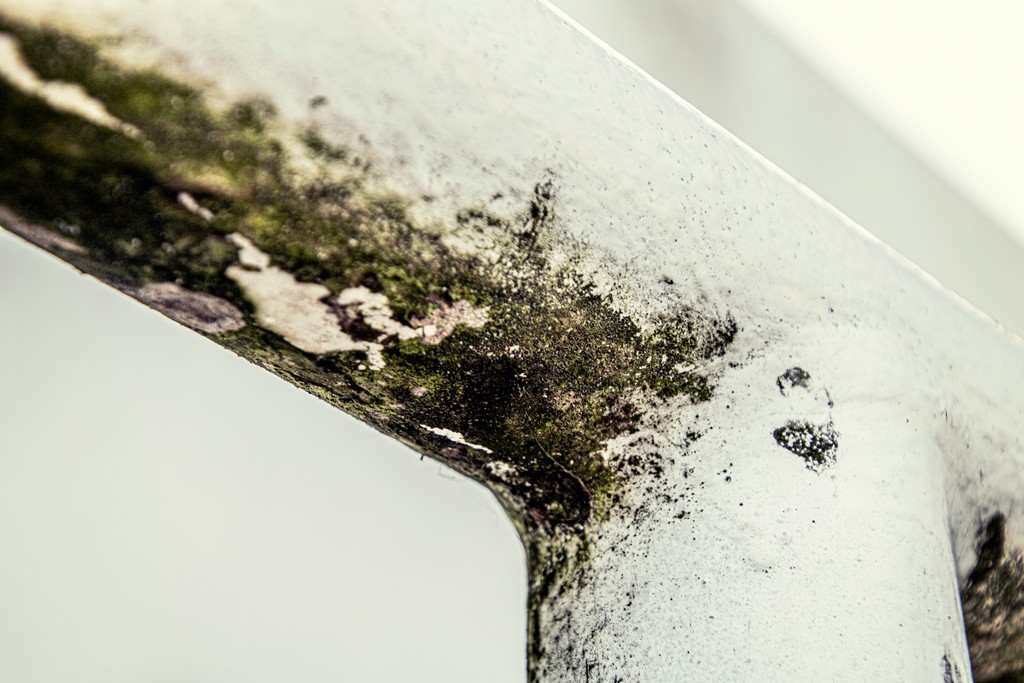
Nothing kills 100% of mold in a practical, real-world sense. Any restoration professional who tells you otherwise is overstating what the science supports. Mold spores are extraordinarily resilient, and the goal of professional remediation is not sterilization. It is removal, control, and the elimination of the conditions that allow mold to grow.
Why "100% Mold Elimination" Is Not a Realistic Standard
Mold spores exist naturally in every indoor and outdoor environment. Even after a thorough remediation, some level of spores will remain in the air and on surfaces. That is normal and unavoidable.
The standard used in the restoration industry is not zero spores. It is returning indoor mold levels to normal background levels, comparable to outdoor air in the same region. When remediation is done correctly, the mold problem is resolved even if the spore count is not literally zero.
What matters is that active mold growth is stopped, contaminated materials are removed, and moisture, the root cause, is eliminated.
What Actually Works Against Mold
Several products and methods are effective at killing mold on surfaces. None of them eliminate spores permanently or prevent future growth if moisture returns.
Bleach (Sodium Hypochlorite) Bleach is one of the most recognized mold-killing agents. It is effective on non-porous surfaces like tile, tubs, and sealed concrete. It kills surface mold on contact.
The significant limitation is that bleach does not penetrate porous materials. On drywall or wood, bleach kills surface growth but leaves the root structures, called hyphae, intact inside the material. The mold returns. This is why bleach is not an acceptable remediation method for structural materials.
Hydrogen Peroxide Hydrogen peroxide is an antifungal agent that works on both porous and non-porous surfaces. It breaks down mold cells through oxidation and leaves no harmful residue. It is a practical option for surface treatment in less severe situations.
Distilled White Vinegar Vinegar is mildly acidic and can kill certain mold species on surfaces. It is widely cited as a natural alternative, and it has some effectiveness on non-porous materials. It is not a substitute for professional-grade treatment in serious mold situations.
EPA-Registered Antimicrobial Products Professional remediation uses EPA-registered biocides and encapsulants specifically formulated for mold. These products are more effective than consumer options and are applied as part of a controlled process, not as a standalone fix.
Heat Sustained high temperatures can kill mold. Mold generally dies at temperatures above 140°F applied over a period of time. However, heat treatment is not a standard residential remediation method and does not address the underlying moisture problem.
HEPA Vacuuming and Physical Removal From a restoration standpoint, physical removal is the most reliable method. Removing mold-contaminated materials entirely, followed by HEPA vacuuming of the affected area, eliminates the source rather than simply treating the surface.
What Does Not Work
Homeowners frequently rely on methods that have limited or no effectiveness against established mold growth:
Painting over mold. Mold-resistant primer does not kill active mold. Painting over growth traps it temporarily but does not stop it.
Dry wiping or vacuuming without HEPA filtration. This disperses spores into the air rather than capturing them.
Ozone generators used without professional oversight. While ozone can kill mold at high concentrations, it is hazardous to occupants and does not address mold inside materials or resolve moisture issues.
Spraying bleach on drywall or wood. As noted above, bleach does not reach mold growth inside porous surfaces.
The Correct Approach to Mold Removal
Surface treatments are a secondary step, not the primary one. Professional mold remediation follows a defined process:
Identify and eliminate the moisture source. Without this step, mold will return regardless of what product is used.
Contain the affected area. Physical barriers and negative air pressure prevent spores from spreading to unaffected parts of the home during the work.
Remove mold-contaminated materials. Drywall, insulation, and other porous materials that cannot be adequately cleaned are removed and disposed of properly.
Clean and treat remaining surfaces. EPA-registered antimicrobials are applied to cleaned structural surfaces.
Run HEPA air scrubbers. These capture airborne spores generated during the remediation process.
Conduct post-remediation verification. Air or surface testing confirms that mold levels have returned to an acceptable range before reconstruction begins.
When to Call a Professional
Consumer-grade products can handle minor surface mold on non-porous materials, a small patch on a bathroom tile, for example. Beyond that, professional remediation is the appropriate response.
You should call a licensed mold remediation contractor if:
Mold covers an area larger than 10 square feet, the general EPA threshold for DIY limits
The mold is on drywall, wood framing, insulation, or other porous structural materials
Mold has returned after a previous cleaning attempt
The source of moisture has not been identified or resolved
Anyone in the household has respiratory conditions, allergies, or a compromised immune system
FAQ
Does bleach kill mold permanently? No. Bleach kills surface mold on non-porous materials, but it does not penetrate porous surfaces and does not prevent regrowth. If the moisture source is still present, mold will return after bleach treatment. On materials like drywall or wood, physical removal is the only reliable solution.
Can mold come back after professional remediation? Yes, if the moisture problem is not resolved. Remediation removes existing mold, but it does not mold-proof a structure. Any future water intrusion or elevated humidity can allow new mold growth to begin. Addressing the root cause of moisture is the only way to prevent recurrence.
Is mold testing necessary before or after remediation? Pre-remediation testing is not always required, but post-remediation clearance testing is a reliable way to confirm the work was effective. A third-party industrial hygienist or certified inspector can provide an unbiased assessment that the mold levels in the treated area have returned to an acceptable range.